
Call us now :08045478780
 Send Inquiry
 Send Inquiry
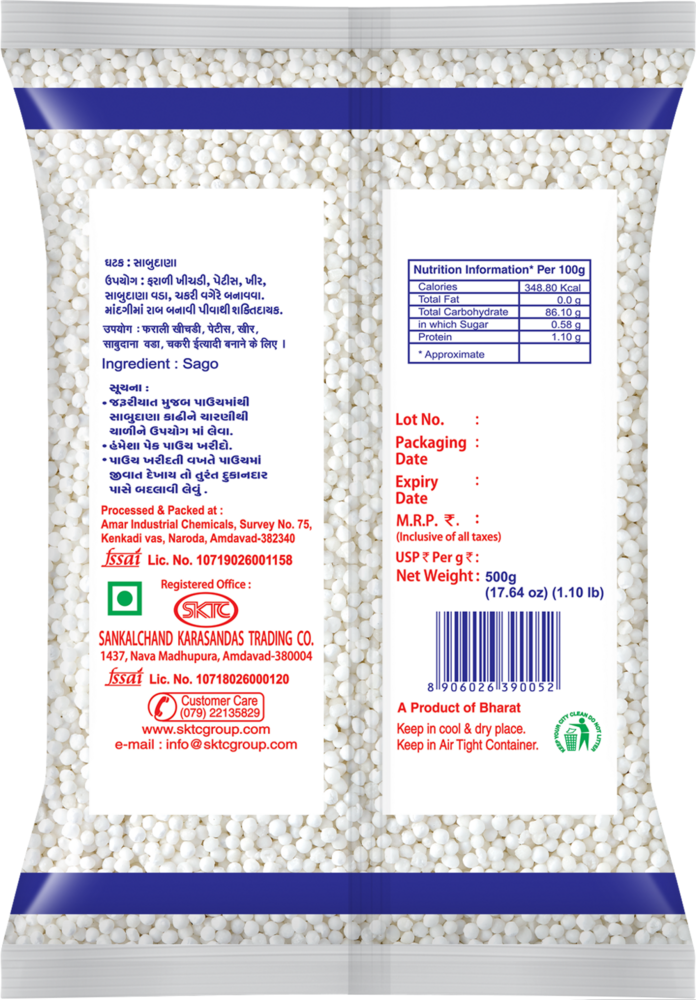
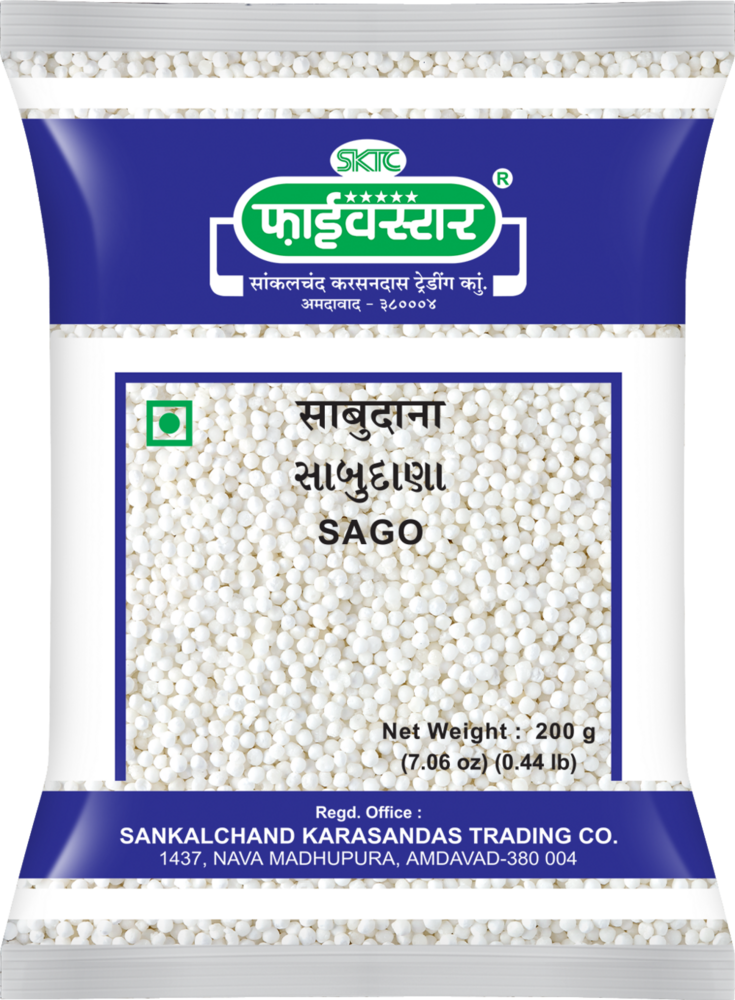
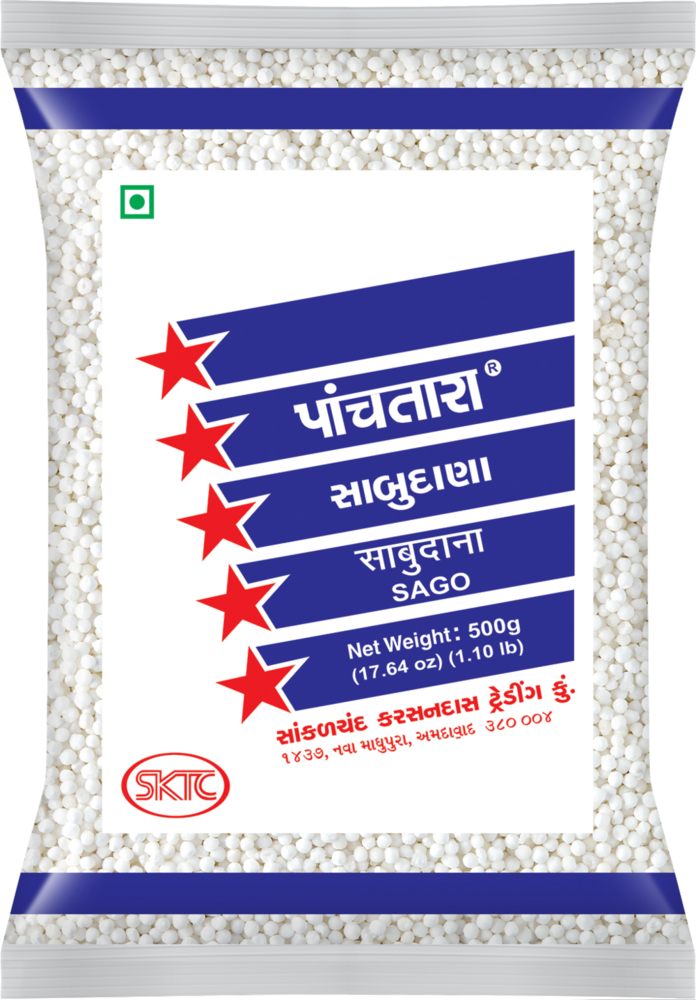
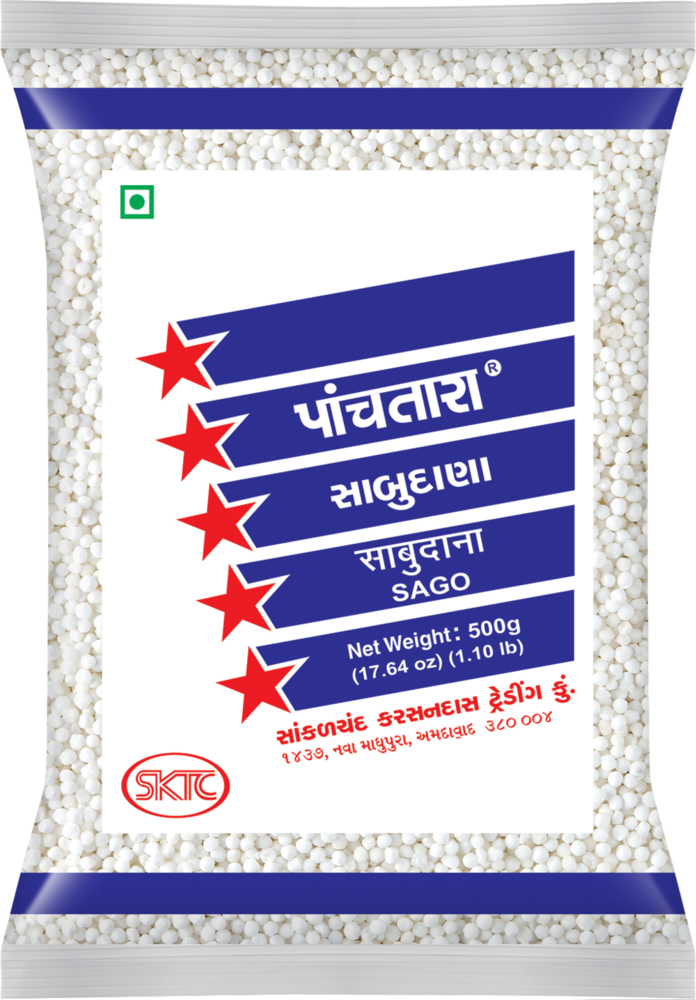
Sabudana Sago
Price 66 INR/ Kilograms
MOQ : 25 Kilograms
Sabudana Sago Specification
- Type
- Other Agro Product
- Cultivation Type
- Normal
- Texture
- Dried
- Physical Form
- Solid
- Fragrance
- No Smell
- Grade
- fair
- Variety
- no hard & cracked globules
- Taste
- Balanced Taste
- Used As
- Raw Material
- Color
- white
- Shape
- round
- Shelf Life
- 4 Months
- Origin
- india
Sabudana Sago Trade Information
- Minimum Order Quantity
- 25 Kilograms
- FOB Port
- X - Godown Ahmedabad
- Supply Ability
- 1 Kilograms Per Week
- Delivery Time
- 2-3 Days
- Sample Available
- Yes
- Sample Policy
- Contact us for information regarding our sample policy
- Packaging Details
- 200g and 500g in pouch packing, 40kg loose hdpe bag
- Main Export Market(s)
- Australia, South America, Africa, Asia, Central America, North America
- Main Domestic Market
- All India
About Sabudana Sago
Sabudana Sago
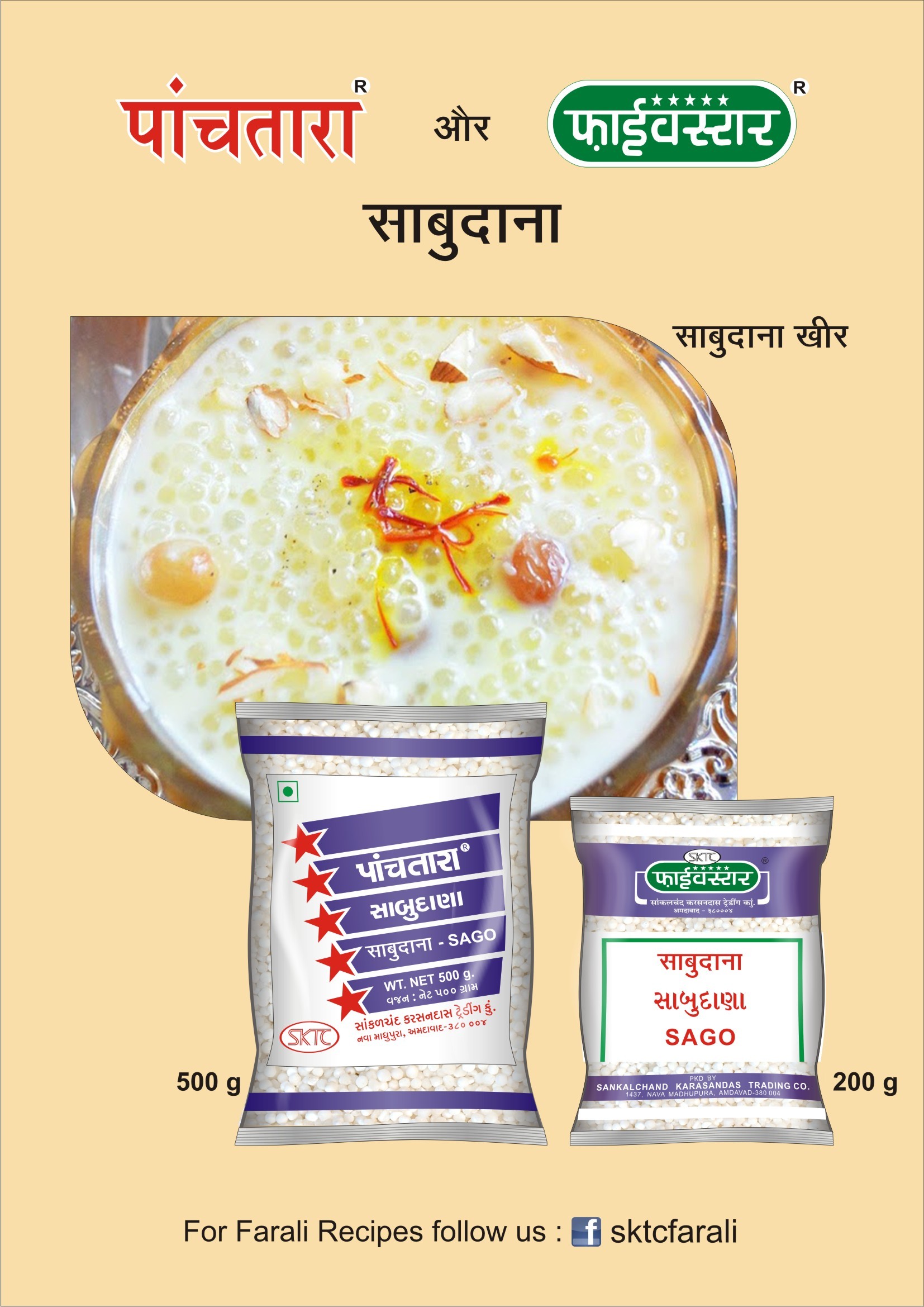
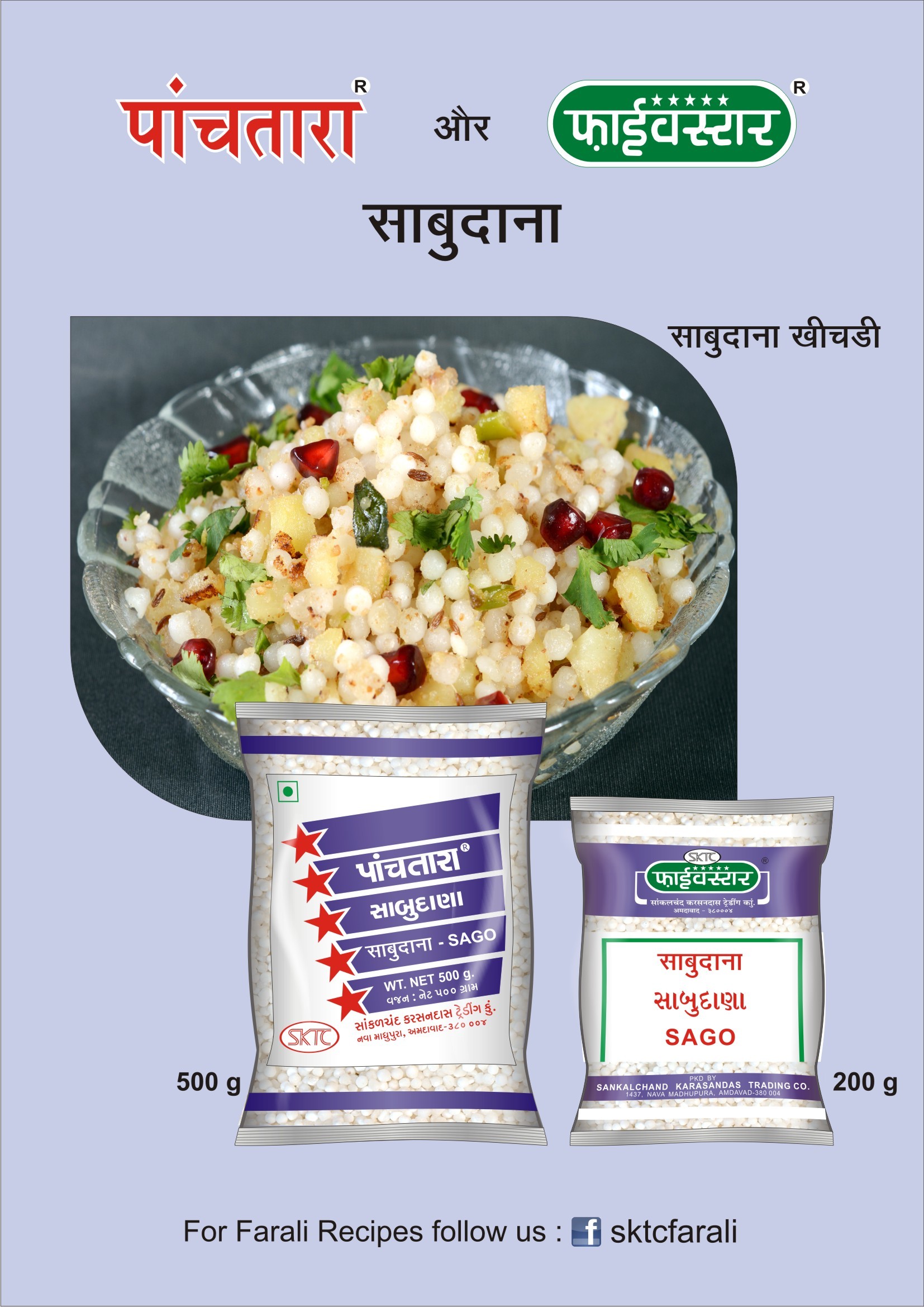
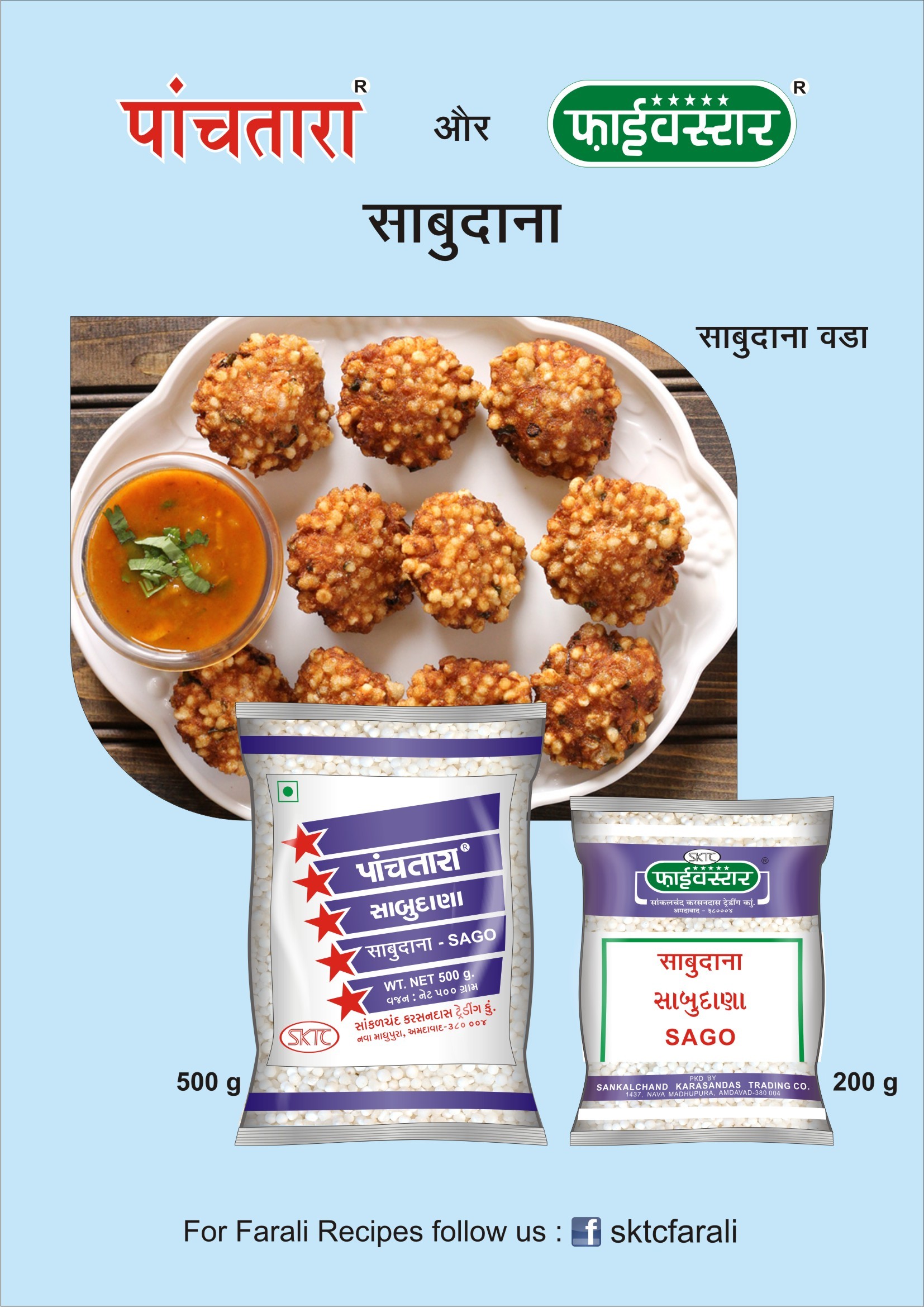
It is a hard globules of arrowroot starch. On soaking in water it gets gelatinised and you can make different food preparation like khichdi, kheer, sago wada etc.
It is a good source of carbohydrate.
Premium Quality From Indian Farms
Our Sabudana Sago is cultivated using standard agricultural practices in India and meticulously processed to maintain its fair grade and uniform round shape. The absence of hard or cracked globules reflects our commitment to quality and customer satisfaction, making it a preferred raw material among distributors, manufacturers, and suppliers.
Versatile Application Across Industries
Sabudana Sago is widely used in the culinary sector, especially in snack and dessert preparation. Its dried, solid texture and balanced taste enable it to blend seamlessly into different recipes. Thanks to its shelf life of four months, food manufacturers can store and use it efficiently for extended periods.
FAQs of Sabudana Sago:
Q: How is Sabudana Sago processed after cultivation?
A: After harvesting from Indian farms, Sabudana Sago undergoes a drying process to ensure a solid texture. It is then sorted to remove hard and cracked globules, meeting fair grade standards before distribution.Q: What benefits does Sabudana Sago offer as a raw material?
A: Sabudana Sago provides a balanced taste and consistent quality, making it suitable for various recipes. Its neutral flavor and soft texture after cooking make it an excellent base for multiple culinary applications.Q: When should Sabudana Sago be used before expiry?
A: It is recommended to use Sabudana Sago within its four-month shelf life to maintain its freshness, texture, and taste.Q: Where can Sabudana Sago be sourced in India?
A: Sabudana Sago is widely distributed, manufactured, and supplied by traders and distributors across India, ensuring easy availability for bulk buyers and manufacturers.Q: What is the typical usage of Sabudana Sago in food production?
A: Sabudana Sago is commonly used in making desserts, snacks such as khichdi, vada, and puddings, especially during fasting periods, due to its neutral taste and ease of preparation.Q: Why is the absence of hard and cracked globules significant in Sabudana Sago?
A: Globules without hard or cracked surfaces ensure even cooking, a smoother texture, and improved taste in the final product, which is essential for high-quality culinary preparations.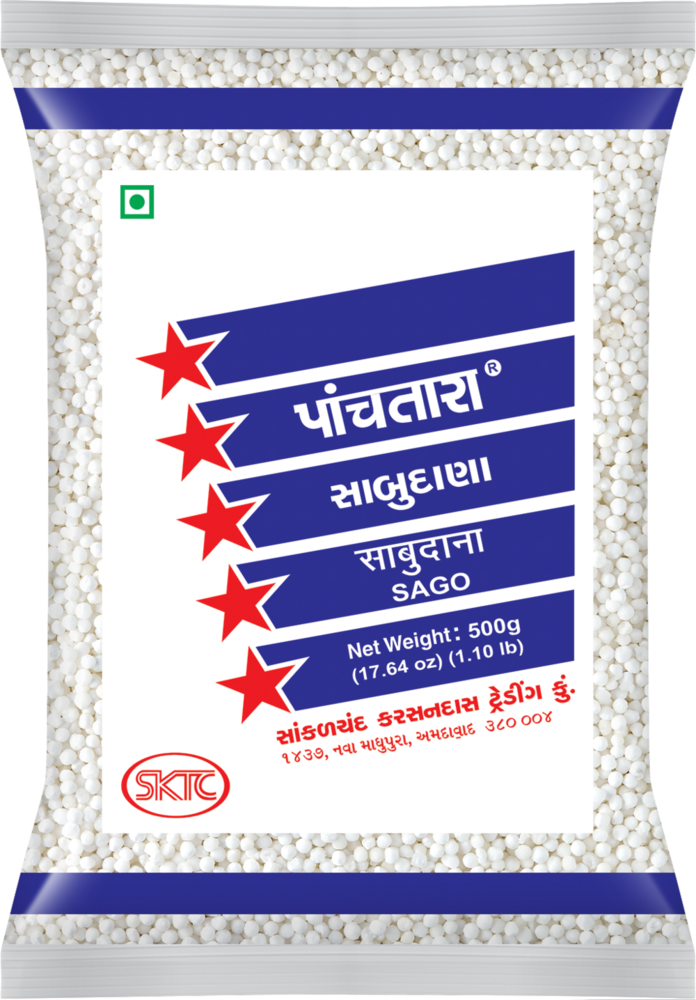
Tell us about your requirement

Price:
Quantity
Select Unit
- 50
- 100
- 200
- 250
- 500
- 1000+
Additional detail
Mobile number
Email

More Products in Sabudana - Sago Category
White Sabudana
Price 66 INR / Kilograms
Minimum Order Quantity : 200 Kilograms
Grade : A Grade
Preservation Process : other , Sun Drying
Shelf Life : 12 Months
Texture : Other, Smooth, Pearly
Sabudana Sago
Price 77 INR / Pack
Minimum Order Quantity : 50 Packs
Grade : Food Grade
Preservation Process : other , Storage in cool, dry place
Shelf Life : 12 Months
Texture : Other, Smooth and Pearly
Organic Sabudana
Price 44.00 INR / Kilograms
Minimum Order Quantity : 25 Kilograms
Grade : FAIR
Preservation Process : other
Shelf Life : 4 Months
Texture : Dried

 Send Inquiry
Our Products
- Makhana
- Aachar Masala
- Singhada Ka Aata
- Water Chestnut Flour
- Sabudana - Sago
- Rajgira Flour
- Moraiyo
- Farali Products
- Namkin/Farsan Ingredients
- Rock Salt
- ALL PRODUCTS
- Black Salt - Sanchal
- Spices Powder
- Indian Sabudana
- Ramdana And Rajigara Flour
- Pink Salt
- Black Salt
- Talc Powder
- Indian Bhagar
- Singhara Atta
- Panchtara Kotha Powder
- Indian Makhana
- Gluten Free Flour


Shop No. 1437, Nava Madhupura, Wholesale Kariyana Bajar, Near Delhi Darwaja, Ahmedabad - 380004, Gujarat, India

Mr Akeal Atulbhai Shah
(Partner)
Mobile :08045478780
 Send Inquiry
 Send SMS
Developed and Managed by Infocom Network Private Limited.


 English
 Spanish
 French
 German
 Italian
 Chinese (Simplified)
 Japanese
 Korean
 Arabic
 Portuguese